
Support for anxiety, stress and big emotions
Therapy can help young people build emotional language, coping skills and a stronger sense of agency while addressing school stress, family transitions, bullying, grief or distressing experiences.
EMDR and cognitive behavioral therapy for children and teens
When clinically appropriate, treatment may include Eye Movement Desensitization and Reprocessing (EMDR) to help process distressing experiences, or cognitive behavioral therapy (CBT) to explore connections between thoughts, feelings and behaviors and practice coping skills. These approaches are adapted to the young person’s age, developmental needs, readiness and telehealth setting.
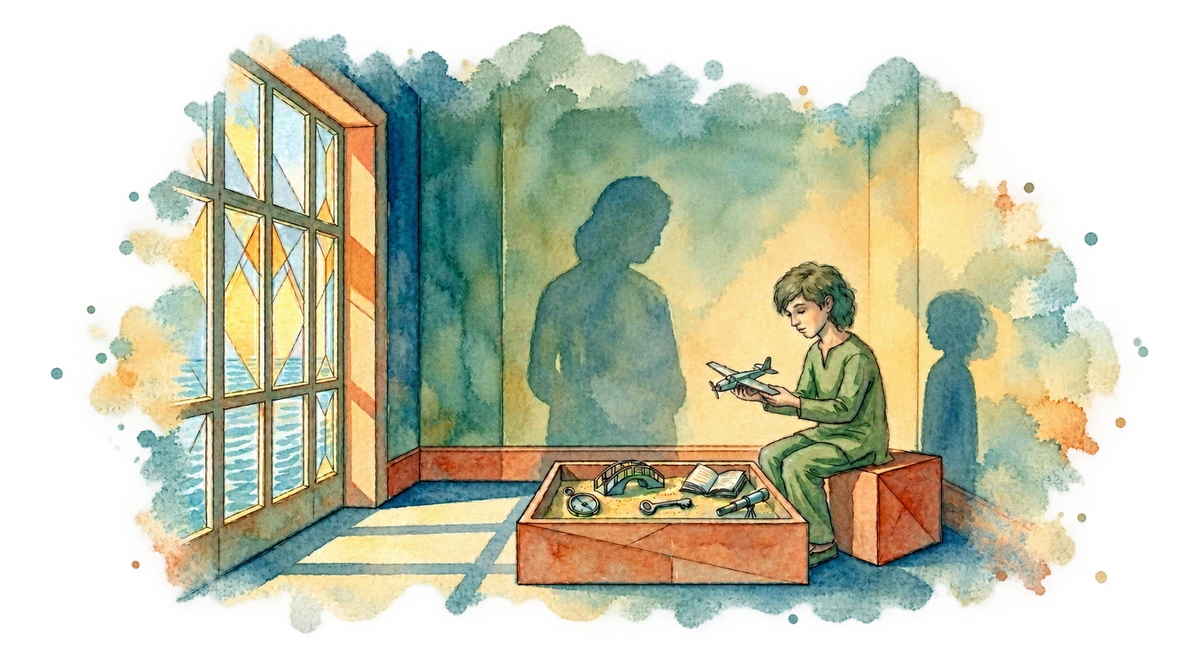
Expressive, Sandplay-informed and play-based work online
Telehealth sessions may use narrative, imagery, creative expression and other age-appropriate tools. Because services are currently online, the exact approach is adapted to the child’s setting and needs rather than presented as a traditional in-office sand tray.
Support for students with disabilities: IEPs and 504 plans
Dr. Insignares has more than 30 years of experience working with students with disabilities. He helps students and parents understand the goals and services in an Individualized Education Program (IEP), as well as the accommodations in a Section 504 plan.
This support helps families connect the student’s school support plan with a clearer understanding of their disability, strengths and individual needs.
Self-determination, coping skills and college planning
Students can develop self-determination skills by learning to understand their needs, express their preferences and take an active role in decisions about their education. Dr. Insignares helps students build these skills alongside coping strategies for school stress and everyday challenges.
He also provides college advisement and transition planning informed by the student’s goals, disability-related needs and experience with IEP services or 504 accommodations. This work helps students and families prepare questions about college support and plan their next steps.
Working with parents and caregivers
Caregivers may be included to support goals, understand patterns and help carry useful skills into daily life, while respecting the young person’s therapeutic space.
Dr. Insignares also helps parents better understand their child’s disability and the supports described in an IEP or 504 plan.